
A Geopolitical Earthquake Shakes the Middle East. The Confrontation Between Tehran and Washington
 By Soha Albaghdady
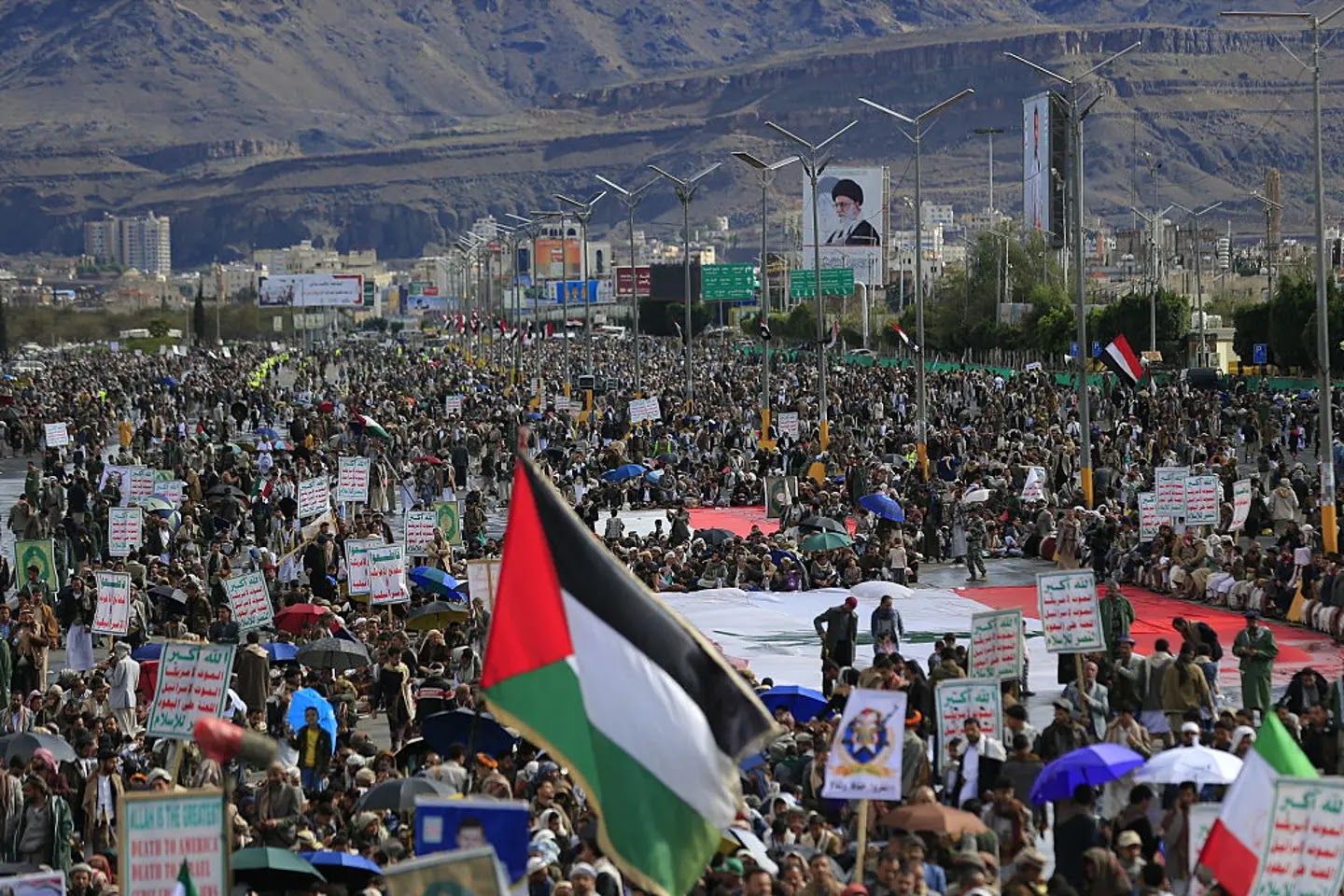
The Middle East has been witnessing a dramatic shift in its security and military landscape since late February 2026, as long-standing tensions between Iran and the United States escalated into a direct, large-scale military confrontation. Here are the details of the ongoing events and their catastrophic repercussions on regional stability and the global economy.
1. Outbreak of War and Field Developments
Actual military operations began on February 28, 2026, when U.S. forces, in coordination with Israel, launched intensive air and missile strikes deep into Iranian territory.
Objectives: U.S. President Donald Trump announced that the operation aims to destroy Iran’s nuclear and missile capabilities to prevent it from acquiring a nuclear weapon.
The Iranian Response: Tehran launched “Operation True Promise 4,” targeting U.S. military sites and vital regional facilities. This led to an unprecedented escalation, including attacks on energy infrastructure and military commands.
Political Situation: Reports (as of April 2026) indicate cracks in the Iranian command and control structure, with calls from former officials, such as Mohammad Javad Zarif, to reach a “comprehensive peace deal” to end the conflict that has claimed the lives of high-ranking leaders.
2. “Choking” the Waterways: Hormuz and Bab el-Mandeb
Sea straits have become the most impactful battleground for global national security, used by Iran as a strategic leverage tool:
Strait of Hormuz: The strait has faced a near-total closure and maritime disruption since the early days of the war. Tehran announced selective control over ship movements, halting the flow of approximately 20% of global energy trade through this vital artery.
Bab el-Mandeb Strait: Threats of expanding the conflict into the Red Sea have intensified. Experts warn of a “double shock” if the closure of Hormuz coincides with disruptions in Bab el-Mandeb, pushing the conflict beyond its regional frame into a global crisis.
3. Global Oil: Historic Price Surges
The war immediately reflected on the energy markets, which are currently in a state of anxiety and anticipation:
Price Levels: Oil prices surged past the $100 per barrel mark, with expectations to reach record levels (between $150 and $200) if severe and sustained supply disruptions occur.
Risk Premium: Investors added a high “risk premium” to prices due to mutual shelling targeting oil facilities in the Gulf and Iran, damaging global supply chains.
Living Impact: The effects of the war have begun to reach consumers globally through rising gasoline and basic commodity prices, sparking a global inflationary wave.
4. Regional and International Repercussions
Map Changes: Strikes targeted sensitive infrastructure (steel plants, power stations), threatening an internal economic collapse in Iran.
Alliances and Logistics: Major shipping companies (such as Maersk and Hapag-Lloyd) rushed to reroute around the Cape of Good Hope, increasing shipping costs and maritime insurance.
The American Public: President Trump faces internal pressure due to the rising cost of living and public anger over the consequences of direct military involvement.
The region remains in a state of turmoil, awaiting paths of negotiation or military resolution, amid warnings that continuing to “choke” these waterways could drive the world into an economic recession not seen in decades.