Bloody Escalation in Hadhramaut: Dead and Injured as Pro-Transitional Council Protesters Come Under Fire

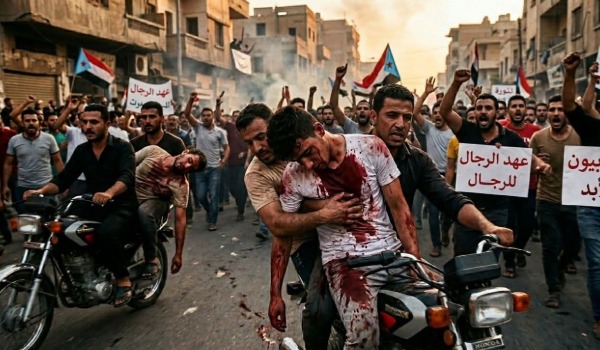
Sunday, April 5, 2026: Hadhramaut Governorate in southern Yemen witnessed a dangerous escalation following clashes between security forces and protesters affiliated with the Southern Transitional Council, resulting in fatalities and injuries after live ammunition was used against demonstrators.
Bloody Escalation in Hadhramaut
According to local sources and media reports, large-scale protests erupted in the city of Seiyun in Wadi Hadhramaut. Participants raised slogans supporting the Southern Transitional Council and condemning government forces, amid rising political and security tensions in the region.
Statements issued by local leaders within the Southern Transitional Council indicated that protesters were subjected to direct gunfire, in addition to arrest campaigns, particularly around Seiyun Airport. The council described the incident as a “dangerous escalation” against peaceful demonstrators.
These developments come amid growing tensions in Hadhramaut since late 2025, driven by the ongoing power struggle between the Southern Transitional Council and forces loyal to the Yemeni government backed by the coalition. The governorate has increasingly become one of the main flashpoints in southern Yemen.
Reports also suggest that the excessive use of force to disperse protests, including live ammunition, has in similar recent incidents led to deaths and dozens of injuries among demonstrators, reflecting the severity of the security situation and the risk of further escalation.
Open Tensions and Risk of Escalation
Observers believe that the events in Hadhramaut reflect a deeper struggle for influence and control, particularly in oil-rich areas, amid overlapping regional and local agendas. They warn that continued targeting of protests could trigger a new wave of violence and undermine chances for de-escalation in southern Yemen.
Meanwhile, supporters of the Southern Transitional Council are calling for an end to what they describe as “repression,” affirming that their protests will continue until their political demands are met, placing the region on the brink of uncertain scenarios in the coming period.