Trump Predicts Iran War Ends in ‘2-3 Weeks’ but Warns Oil Prices Will Stay High for Even Months?

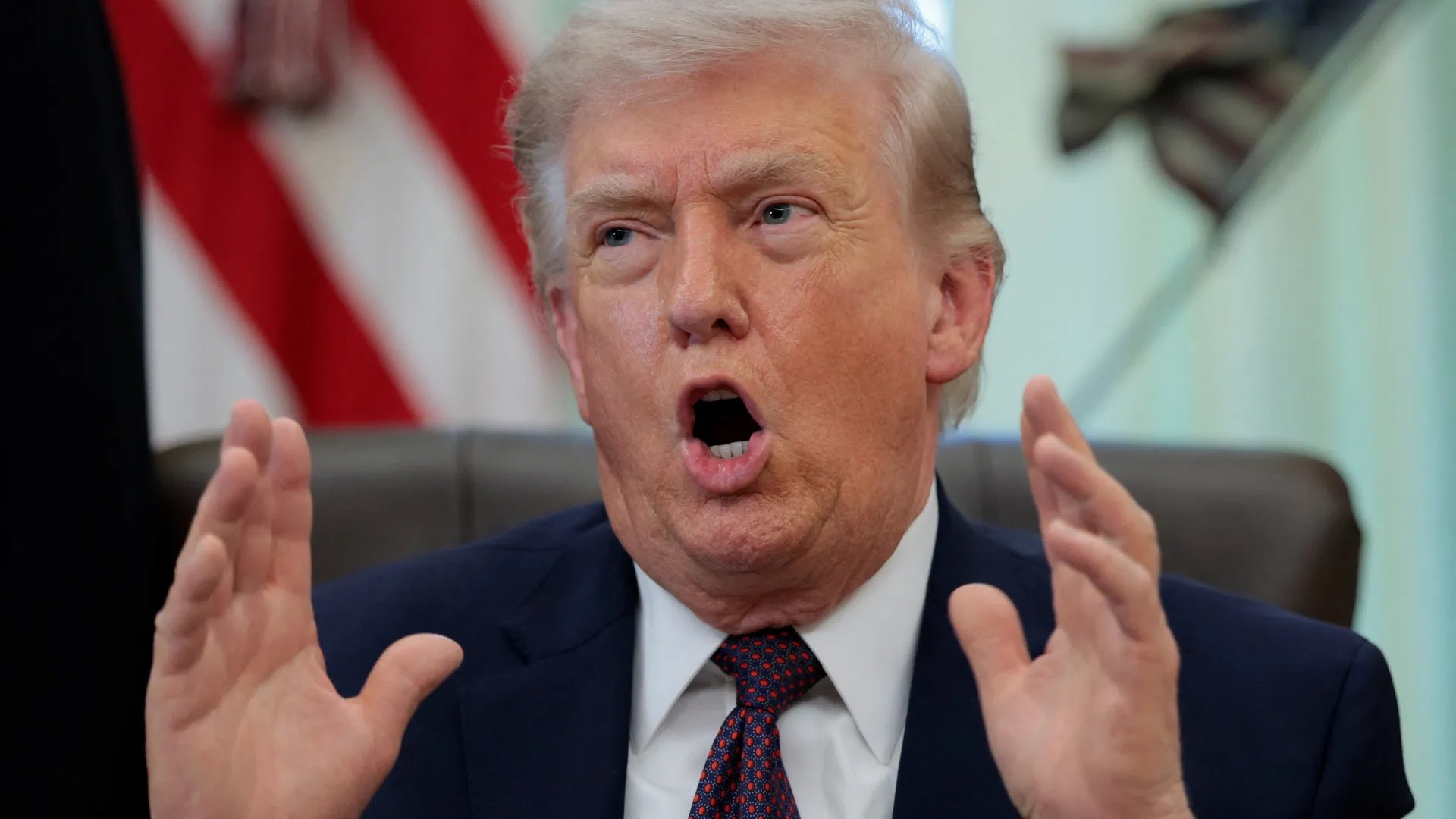
On April 1, 2026, President Donald Trump announced that the 2026 Iran War is expected to “wind up” within two to three weeks, contingent on the acceptance of the 15-point peace plan.
Speaking from Florida, Trump cautioned that global oil prices, currently fluctuating between $110 and $200 per barrel, will not drop immediately due to extensive damage to Middle Eastern refineries and the ongoing tanker war off the Dubai coast. Trump’s new foreign policy mandate, summarised as “Go get your own oil“, marks a shift toward absolute American energy independence and a warning to nations relying on U.S. military protection for energy security. As the April 6 deadline approaches, the world remains in a state of strategic suspended animation, awaiting the President’s formal televised address.
There is a specific kind of silence that precedes a tectonic shift in history. On this first day of April, that silence was broken by the familiar, percussive cadence of a president who treats global conflict like a hostile takeover. While the smoke still rises from the shattered mirror of the oil tanker of Kuwait International Airport, President Trump has laid out a timeline that is as ambitious as it is brutal.
It’s winding up, Trump told reporters, his eyes already fixed on a post-war horizon.
“Two weeks, maybe three. We’ve done more in a month than they did in twenty years. But don’t expect the gas pumps to celebrate just yet.”
Thus, the prediction that the most significant conflict of the 21st century could conclude in twenty-one days has sent shockwaves through the Pentagon. Military analysts, still grappling with the Silicon Siege and the Houthi escalation in the Red Sea, see a much longer road. But Trump’s 3-week window isn’t a military forecast; it’s a political ultimatum.
Furthermore, this is proof that by setting this clock, Trump is telling the transitional leadership in Tehran that the 10-day pause was their only grace period. If the 15-point plan isn’t signed, the “winding up” won’t be a diplomatic exit—it will be a kinetic conclusion.
For the average citizen watching the digital tickers at the gas station, the president offered a dose of cold, hard candour. Despite his promise of a swift end to hostilities, Trump warned that oil prices will not drop immediately.
“You can’t just flip a switch,” Trump remarked, referencing the attack on the Al Salmi tanker and the precision strikes on Tehran’s jamming stations. “The refineries are hit, the pipes are broken. It’s a mess. A very big, expensive mess.”
Experts agree. With the Strait of Hormuz effectively a no-go zone and the Litani River bridges destroyed in Lebanon, the logistical architecture of the global energy trade has been decapitated. Even if the guns fall silent tomorrow, the Risk Premium will remain baked into every gallon of crude until the wreckage is cleared and the tanker war ends.
Trump: “Go Get Your Own Oil”
Perhaps the most significant takeaway from the president’s impromptu remarks was a five-word phrase that may redefine the next decade of geopolitics: Go get your own oil.
This is the Trump Doctrine in its purest form. It is a blunt message to European and Asian allies who have long relied on the U.S. Fifth Fleet to subsidise their energy security. Trump is signalling that the era of the global policeman is being replaced by the national fortress. If you want the oil of the Middle East, you provide the boots, the ships, and the treasure to protect it. America, with its fracking reserves and newly uncapped domestic potential, is looking inward.
The world is now in a state of strategic suspended animation. Every capital from London to Beijing is waiting for the formal “Address to the Nation” scheduled for later this week. This isn’t just about a ceasefire; it’s about the terms of a new world order.
Now the question is, will the 82nd Airborne begin a withdrawal? Or is the 3-week window simply the final countdown to a ground invasion? As the April 6 deadline looms like a guillotine, the President seems content to keep the world guessing. He is a man who knows that in the art of the deal—and the art of war—the most powerful weapon is the one you haven’t used yet.
Frequently Asked Questions (FAQs)
Q1: When does Trump say the war will end?
President Trump has predicted the war will “wind up” in approximately two to three weeks, provided the Iranian leadership accepts the U.S. terms for peace.
Q2: Why won’t oil prices drop immediately after the war?
Significant damage to oil tankers, refineries, and pipelines in the Persian Gulf and Red Sea means that supply chains will take months to repair. Additionally, the “risk premium” remains high as long as the region is unstable.
Q3: What does “Go get your own oil” mean?
It is a shift in U.S. foreign policy toward energy isolationism. Trump is suggesting that the U.S. will no longer be responsible for protecting the energy supplies of other nations unless they contribute significantly to their own defence and the security of the region.
Q4: Is the April 6 deadline still active?
Yes. The 10-day “pause” on major energy infrastructure strikes expires on April 6, 2026. This remains the hard deadline for the signing of the 15-point peace plan.
Q5: What is expected in Trump’s upcoming speech?
The speech is expected to detail the final terms of the peace deal, the status of the 82nd Airborne, and the future of U.S. involvement in the Middle East.