War News Today: Israel, Gaza Global Conflicts and Rising Tensions between US

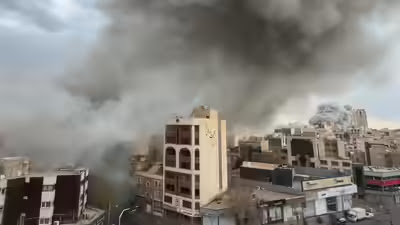
Israel, Gaza, and many other conflicts around the world are still affecting international relations, the economy, and the state of humanitarian aid. Wars and political tensions that are still going on in Eastern Europe, the Middle East, and other places are still getting a lot of attention around the world. They are hurting other countries and making it hard to get food and water.
US-Israel-Iran War News Live Updates: Iran missile strikes Bahrain; Moroccan contractor killed, 5 UAE personnel hurt, TOI Report
Hezbollah says Lebanon’s decision to kick out the Iranian envoy is wrong and should be reversed right away. Hezbollah strongly criticised Lebanon’s decision to send the new Iranian ambassador home on Tuesday. They called the move a “sin” and told the government to change it right away. The Iran-backed group said in a statement, “Hezbollah calls on the President of the Republic and the Prime Minister to demand that the minister of foreign affairs immediately reverse this decision because of its dangerous consequences.”
Hezbollah called the expulsion a “national and strategic sin,” which shows how political tensions are rising in Lebanon over ties with Iran. The Iranian diplomat had already been told by the foreign ministry to leave the country by Sunday.
Hezbollah called the expulsion a “national and strategic sin,” which shows how political tensions are rising in Lebanon over ties with Iran. The Iranian diplomat had already been told by the foreign ministry to leave the country by Sunday.
Ukraine–Russia War: A Long War with Strategic Stalemates
The war between Russia and Ukraine is still one of the most important wars going on right now. Fighting is still going on along important frontlines in eastern and southern Ukraine, with both sides launching attacks and using drones.
Western countries continue to give Ukraine military and financial help, while Russia keeps up the pressure by attacking infrastructure and territorial positions. The conflict has become more like attritional warfare, with neither side making a clear breakthrough.
Important changes:
-
More drone and missile attacks on infrastructure
-
Military aid packages from the West and sanctions against Russia
-
Ongoing humanitarian issues and displacement
Middle East: Ongoing Instability and Risks of Regional Spillover
Things are still very tense in the Middle East, especially between Israel, Gaza, and nearby areas. The news is full of stories about periodic escalations, ceasefire talks, and humanitarian crises.
Proxy conflicts and geopolitical rivalries, particularly those involving Iran and regional actors, persist in generating instability on various fronts.
Important things to think about:
-
Civilian deaths and access to humanitarian aid
-
Possible risks of regional escalation
-
Efforts to end the fighting through diplomacy
Other Global Flashpoints
1. Africa
Conflicts in regions such as Sudan and parts of the Sahel continue to displace civilians and strain international aid systems. Internal power struggles and militia activity remain major challenges.
2. Asia-Pacific
Tensions in the South China Sea and around Taiwan persist, though not in full-scale war. Military exercises and strategic signalling from major powers keep the region on edge.
3. Cyber and Hybrid Warfare
Modern conflicts increasingly include cyberattacks, misinformation campaigns, and economic warfare, expanding the definition of “war” beyond traditional battlefields.
Humanitarian Impact
Across all conflict zones, civilians bear the greatest burden. Millions remain displaced, facing shortages of food, water, and medical care. International organisations continue to call for increased humanitarian access and conflict resolution efforts.
Conclusion
The global security landscape remains fragile, with multiple overlapping conflicts and rising geopolitical tensions. While diplomatic efforts continue, the risk of escalation in several regions remains a serious concern.